


Two things are true about IUDs at once. They are among the most effective forms of contraception available, they last for years, and for many women a hormonal IUD is also the single best treatment for heavy periods. And the experience of having one placed has, for a long time, been under-managed — women told to take an ibuprofen an hour before and then told that what they felt was not what they felt.
Both things deserve to be addressed honestly, because the second one is why many women who would benefit from an IUD never get one.
Choosing between them
Hormonal IUDs
These release a small amount of levonorgestrel directly into the uterus, thickening cervical mucus and thinning the uterine lining. Because the hormone acts locally, systemic exposure is far lower than with a pill. Depending on the specific device, they are approved for somewhere between three and eight years of contraception, and they differ in size and hormone dose — which matters if insertion comfort or bleeding control is your priority.
Most women find periods become dramatically lighter. A substantial minority stop having periods entirely, which is safe. The trade-off is irregular spotting for the first three to six months.
The copper IUD
Entirely hormone-free, effective for up to a decade or more, and the most effective form of emergency contraception if placed within five days. The trade-off runs the other direction: periods usually become heavier and more crampy, especially in the first several months. For a woman who wants nothing hormonal, it is an excellent option. For a woman who already bleeds heavily, it is usually the wrong one.
Beyond contraception
A levonorgestrel IUD is not only birth control. It is:
- A first-line medical treatment for heavy menstrual bleeding — frequently more effective than oral options, and an alternative to surgery for many women. See our page on heavy periods.
- Endometrial protection for women taking estrogen therapy who still have a uterus.
- A treatment for endometriosis-related pain, by suppressing the cyclical lining response. More on our endometriosis page.
- An option in fibroid-related bleeding, when the uterine cavity is not significantly distorted — covered on the fibroids page.
How we manage pain
This is where practices differ most, and it is worth asking about wherever you go.
Guidance in recent years has shifted decisively toward counseling every patient about pain and offering real options rather than assuming the procedure is trivially tolerated. That is a welcome correction to a long period in which insertion pain was minimized. What we offer:
- An NSAID beforehand — genuinely helpful for cramping, and we will tell you what to take and when.
- Topical or injected local anesthetic to the cervix, and a paracervical block where appropriate.
- Pro-Nox — self-administered nitrous oxide. You hold the mouthpiece and control it yourself, it takes effect within a couple of breaths, and it clears within minutes of stopping, so most women drive themselves home. It is available for our in-office procedures and it makes a real difference for anyone anxious about the visit.
- Unhurried technique — telling you what is happening before each step, and stopping when you need a moment. Concierge scheduling means the appointment is not squeezed.
We discuss which of these you want ahead of the appointment, not while you are on the table.
- Tell us. A hard previous experience changes what we plan, and it is not something to downplay.
- Cervical softening medication beforehand is an option in selected cases.
- For some women, placement under sedation is the right answer — and it is available.
What the visit looks like
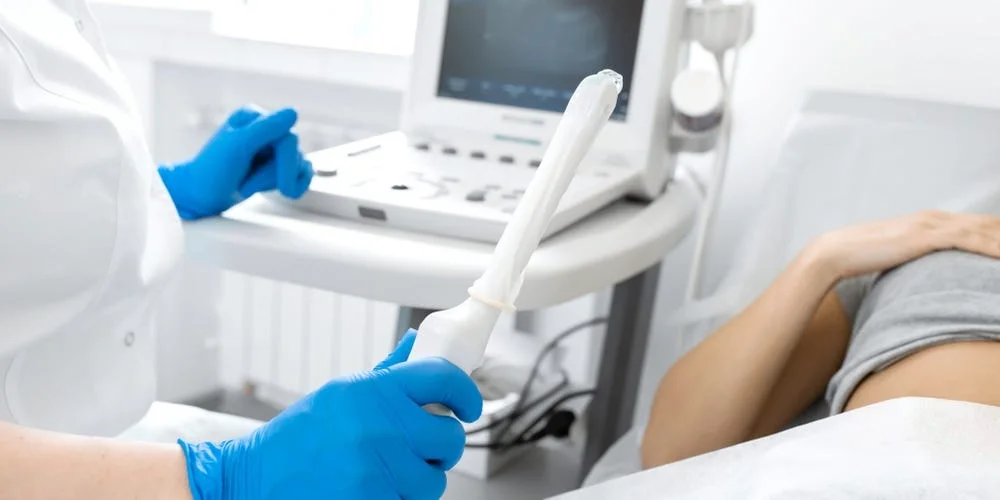
We confirm the device is right for you and review your history. We may perform an ultrasound. A speculum exam follows, the cervix is cleaned, anesthetic is applied if you have chosen it, the uterus is measured, and the IUD is placed through a thin inserter — the placement itself takes well under a minute. Strings are trimmed. You rest as long as you need.
Cramping afterward is normal and usually settles within a day or two, sometimes with spotting for longer. Plan for a quiet evening; most women return to work the same or next day.
Afterward
- A hormonal IUD is effective immediately if placed within the first seven days of your cycle, otherwise use backup for a week. A copper IUD is effective immediately.
- Expect irregular bleeding for three to six months with a hormonal device — this settles.
- Call us for fever, foul discharge, severe or worsening pain, or if you cannot feel the strings and suspect expulsion.
- Removal is quick and generally far more comfortable than insertion — and can be done at any time, for any reason. It is your device.
Booking
We place and remove IUDs in the office, with comfort options discussed in advance and self-pay pricing published on our self-pay page if you are not using insurance.
Book a consultation or call 813-733-7300. We see women from Lutz, Wesley Chapel, New Tampa, Land O' Lakes and across Tampa Bay.
This article is for general education and is not a substitute for individual medical advice. Treatment decisions depend on your full history — please talk with your own provider.